
Optimal Seasons for Land Clearing
Land clearing involves removing trees, brush, and debris to prepare land for development, agriculture, or other uses. Timing can impact the efficiency and safety of the process, making it important to choose optimal periods for land clearing activities.
Spring offers favorable conditions with moderate temperatures and increased daylight, aiding equipment operation and vegetation management.
Summer provides longer days and dry conditions, which can facilitate faster clearing but may require caution due to heat and potential drought.
Fall is suitable for land clearing as temperatures are cooler, and soil moisture levels are often ideal for excavation and removal activities.
Winter can be effective in regions with mild winters, reducing vegetation growth and soil moisture, but frozen ground can pose challenges.

Spring landscape with emerging greenery and cleared areas.

Dry summer terrain prepared for development.

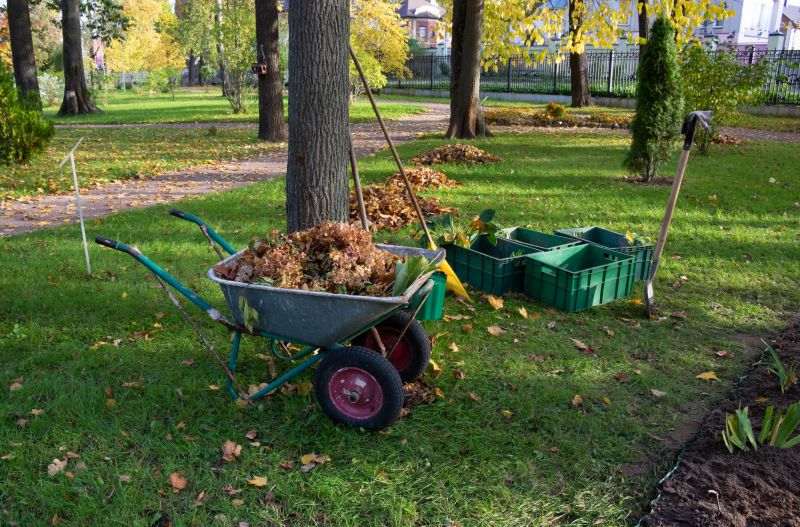
Autumn landscape with cleared land and fallen leaves.

Ways to make Land Clearings work in tight or awkward layouts.

Popular materials for Land Clearings and why they hold up over time.

Simple add-ons that improve Land Clearings without blowing the budget.
| Season | Optimal Conditions |
|---|---|
| Spring | Moderate temperatures, increased daylight, manageable soil moisture |
| Summer | Longer days, dry conditions, faster work pace |
| Fall | Cooler temperatures, optimal soil moisture, less vegetation growth |
| Winter | Frozen ground in some regions, less vegetation, potential access issues |
Land clearing is a critical step in land development, agriculture, and construction projects. Proper timing ensures safety, efficiency, and cost-effectiveness. Seasonal considerations can influence equipment performance, vegetation management, and environmental conditions. For example, clearing during dry seasons reduces soil erosion risks, while avoiding wet seasons minimizes soil compaction and machinery issues.
Statistics indicate that land clearing activities are most efficient when performed in periods with stable weather and manageable soil conditions. In regions with distinct seasons, planning around these periods can reduce project delays and operational costs. Proper timing also helps in managing debris and ensuring compliance with local regulations.
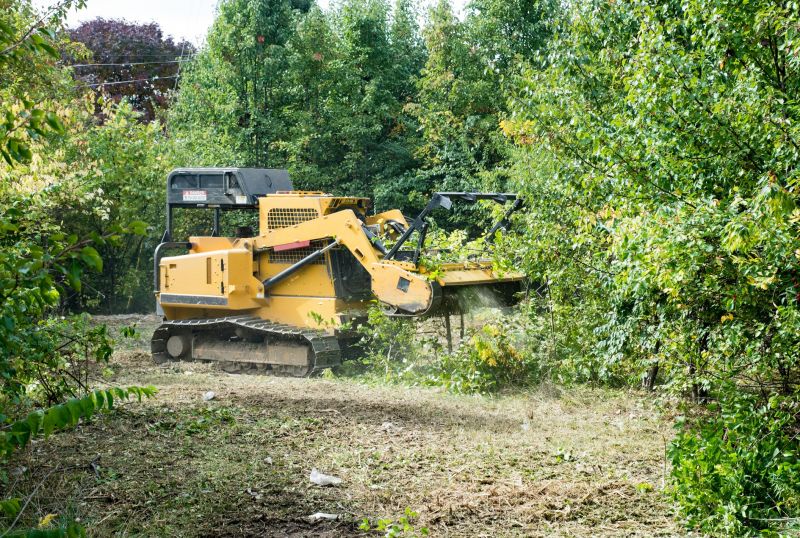
Heavy machinery removing trees and brush.

Prepared land ready for construction or planting.
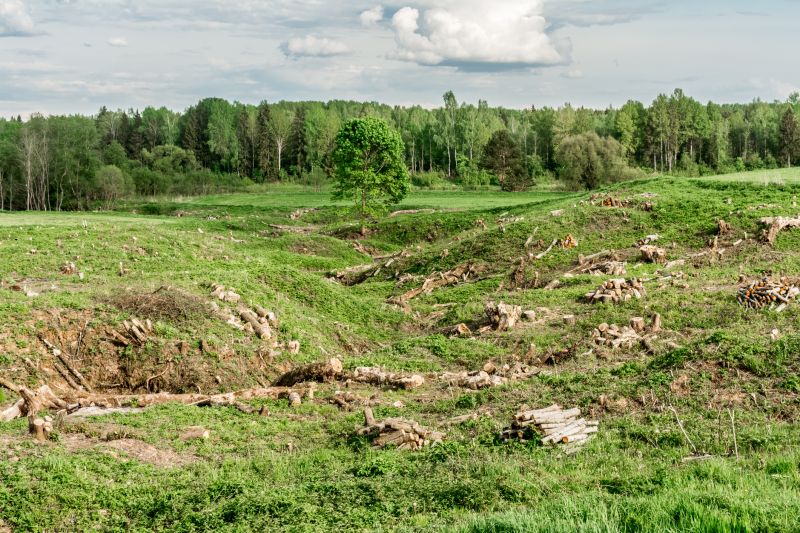
Efficient removal of brush and small trees.
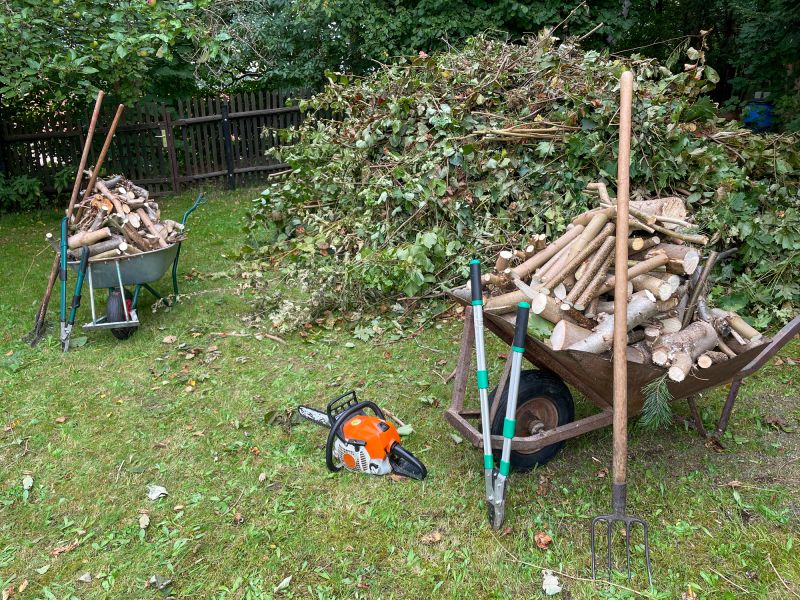
Proper disposal of cleared materials.

High-end options that actually feel worth it for Land Clearings.
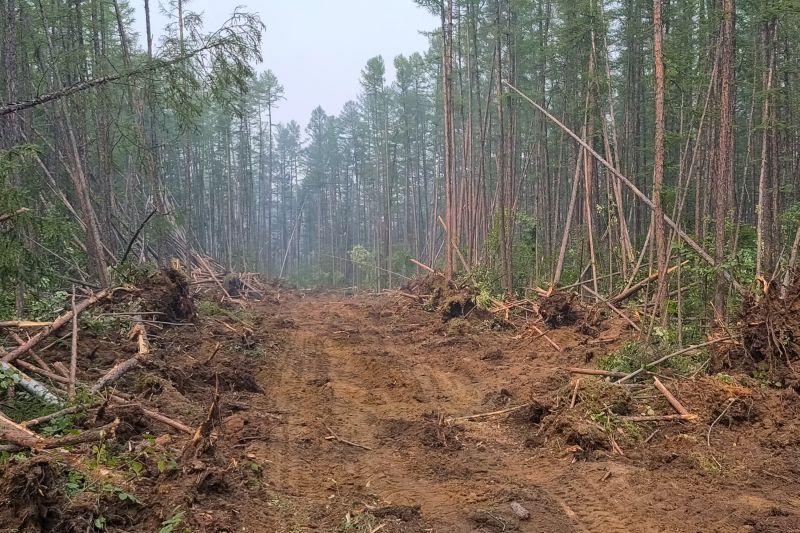
Finishes and colors that play nicely with Land Clearings.

Little measurements that prevent headaches on Land Clearings day.
A 60-second routine that keeps Land Clearings looking new.
Interested parties are encouraged to contact for more information about land clearing services and scheduling. Proper planning and timing can optimize project outcomes and facilitate smooth land development processes.